Magnesium for Sleep: Best Type to Take, Benefits, Dosage and Side Effects
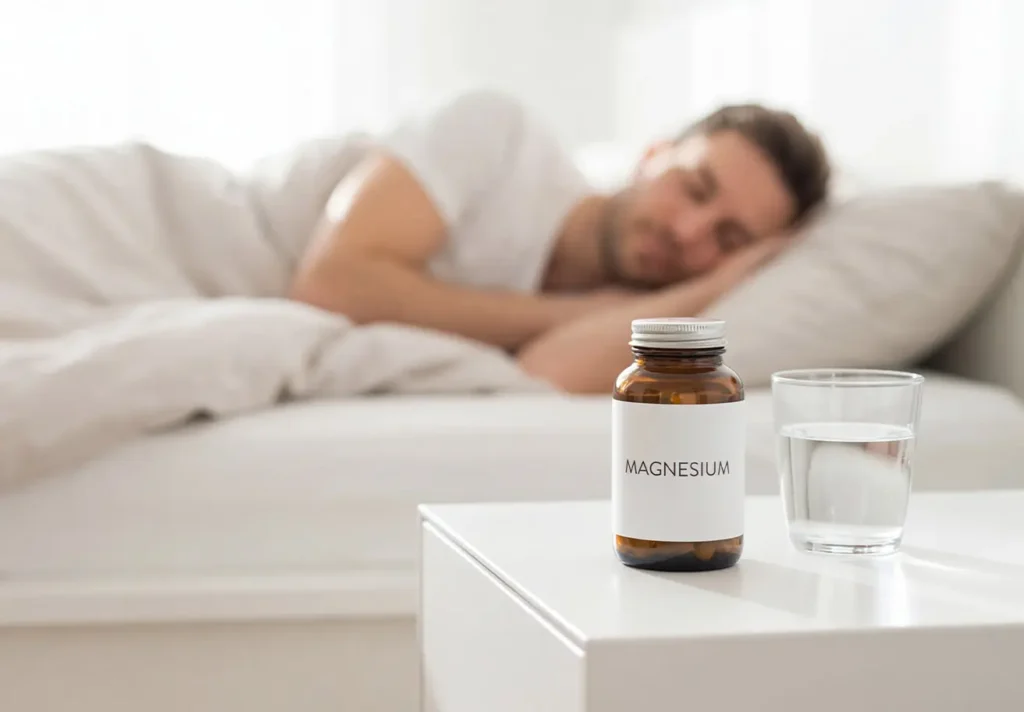
Magnesium for Sleep and Why It Matters
Magnesium for sleep has become a popular topic in the UK because many people want a gentle way to support better rest without relying on strong sleep aids. When your body feels tense, your mind feels busy, or your muscles struggle to relax, bedtime can become frustrating. Magnesium may support normal nerve and muscle function, which is why it is often linked with relaxation.
Good sleep is not only about feeling tired at night. It depends on your routine, stress levels, diet, health, and environment. Magnesium for sleep may help some people, especially if their diet is low in magnesium or they often feel physically restless. However, it works best when combined with healthy sleep habits, such as a regular bedtime, reduced caffeine, and less screen time before bed.
What Is Magnesium and How Can It Support Sleep?
Magnesium is an essential mineral that helps the body perform many important tasks. It supports muscles, nerves, energy production, and normal psychological function. Because sleep requires the body to slow down and settle, magnesium may play a useful role in preparing the body for rest. Think of it like helping your body turn the volume down at night.
Some people use magnesium for sleep because it may help reduce feelings of tension and support a calmer evening routine. It is not a sleeping tablet, and it will not knock you out instantly. Instead, it may gently support the natural systems that help your body relax, especially when taken consistently and used alongside a balanced diet.
Best Magnesium for Sleep
The best magnesium for sleep is often considered to be magnesium glycinate. This form is usually well absorbed and gentle on the stomach, making it a popular choice for people who want night-time relaxation support. Magnesium glycinate is also commonly chosen by people who feel stressed or tense before bed because it is less likely to cause a laxative effect.
Magnesium citrate is another common option, but it may cause looser stools in some people. Magnesium oxide is usually less preferred for sleep because it is not absorbed as well. Magnesium L-threonate is also discussed for sleep and brain support, but it can be more expensive. The best type of magnesium for sleep depends on your body, budget, and tolerance.
When to Take Magnesium for Sleep
Many people ask when to take magnesium for sleep, and the common answer is in the evening. Some people take it around 30 minutes before bed, while others prefer taking it one or two hours earlier. Taking magnesium with food may help reduce stomach discomfort, especially if you are new to supplements or have a sensitive digestive system.
The best time to take magnesium for sleep is the time you can follow consistently. Magnesium usually works better as part of a steady routine rather than a one-night solution. For example, taking it after dinner, dimming the lights, avoiding heavy late snacks, and keeping a regular bedtime may support better results over time.
How Much Magnesium for Sleep?
How much magnesium for sleep you need depends on your age, diet, health, and the supplement type. Many adult supplements contain around 100mg to 200mg of elemental magnesium per serving. It is important to check the label carefully because the total magnesium compound amount is not always the same as elemental magnesium.
Taking more magnesium does not always mean better sleep. Higher doses may increase the risk of stomach upset, diarrhoea, nausea, or cramps. If you take regular medication, have kidney problems, are pregnant, or have a health condition, speak to a GP or pharmacist before using magnesium for sleep every night.
Magnesium for Sleep and Anxiety

Magnesium for sleep and anxiety is a common search because stress can make bedtime difficult. When anxious thoughts appear at night, the body may stay alert even when you feel tired. Magnesium may support relaxation by helping normal nervous system function, which can make it easier for some people to settle before bed.
However, magnesium should not be treated as a complete anxiety treatment. If anxiety affects your work, relationships, sleep, or daily routine, it is better to speak with a qualified health professional. Magnesium may be useful as part of a wider plan, but proper support, stress management, and healthy sleep habits are still very important.
Magnesium for Sleep UK Buying Guide
If you are buying magnesium for sleep UK products, always check the form of magnesium first. Look for clear labels that mention magnesium glycinate, citrate, or another specific type. Also check the elemental magnesium amount, serving size, added ingredients, allergens, and whether the product suits your diet, such as vegan or gluten-free needs.
Some people search for Holland and Barrett magnesium for sleep because it is a well-known UK health retailer. Before choosing any product, compare the type, dosage, price, reviews, and suitability. Do not buy only because the label says “sleep” or “calm”. A simple, well-labelled magnesium supplement can often be better than one full of unnecessary extras.
Magnesium for Sleep Kids
Magnesium for sleep kids should be approached carefully. Children have different nutritional needs from adults, and supplements should not be given without proper advice. If a child struggles to sleep, the cause may be routine, screen use, anxiety, diet, discomfort, or another health issue. A supplement should not be the first answer.
Parents should speak to a GP, pharmacist, or health visitor before using kids magnesium for sleep. A safer first step is to improve the child’s bedtime routine. Keep bedtime consistent, reduce screens before sleep, create a calm room, avoid sugary snacks late in the evening, and help the child wind down with quiet activities.
Magnesium Spray for Sleep
Magnesium spray for sleep is another option people often consider. It is applied directly to the skin, usually on the legs, feet, or arms before bedtime. Some people like it because it feels soothing and becomes part of a relaxing night-time ritual. It may be useful for people who dislike tablets or capsules.
However, magnesium sprays can irritate the skin, especially if you have sensitive skin or apply too much. The evidence around how well magnesium absorbs through the skin is less clear than oral supplements. If you try a spray, test it on a small patch first and stop using it if burning, itching, or redness appears.
Side Effects of Magnesium for Sleep
Magnesium for sleep can cause side effects, especially if the dose is too high or the form does not suit your stomach. Common side effects include diarrhoea, bloating, nausea, stomach cramps, and digestive discomfort. Magnesium citrate and magnesium oxide are more likely to affect digestion than magnesium glycinate for many people.
Magnesium can also interact with certain medicines, including some antibiotics, thyroid medication, and bone health treatments. People with kidney disease should be extra careful because the body may struggle to remove excess magnesium. If you are unsure, ask a pharmacist or GP before starting a supplement, especially if you plan to take it daily.
Natural Magnesium Foods for Better Sleep
Before using supplements, it is helpful to include magnesium-rich foods in your diet. Good sources include pumpkin seeds, almonds, cashews, spinach, lentils, black beans, whole grains, avocado, bananas, and dark chocolate. These foods also provide fibre, healthy fats, and other nutrients that support general wellbeing.
A food-first approach is often the best starting point. For example, adding leafy greens to dinner, eating oats at breakfast, or choosing nuts and seeds as a snack can naturally increase magnesium intake. Supplements may still help some people, but a balanced diet gives your body broader support than one mineral alone.
Conclusion
Magnesium for sleep may be a helpful option for adults who want to support relaxation, muscle comfort, and a calmer bedtime routine. The best magnesium for sleep is often magnesium glycinate, while citrate, sprays, and other forms may suit different needs. Timing, dosage, and consistency all matter.
For UK readers, the safest approach is to choose a clear, suitable product and avoid taking more than needed. Speak to a GP or pharmacist if you take medication, have kidney problems, are pregnant, or want magnesium for children. Better sleep usually comes from a mix of good habits, balanced nutrition, and safe choices.
FAQs
What is the best magnesium for sleep?
Magnesium glycinate is often considered the best magnesium for sleep because it is usually gentle and well absorbed. It may support relaxation without causing as much digestive discomfort as some other forms. However, the right choice depends on your body, budget, diet, and personal tolerance.
When should I take magnesium for sleep?
Many people take magnesium in the evening, around 30 minutes to two hours before bed. Taking it with food may reduce stomach discomfort. The best time to take magnesium for sleep is the time that fits your routine and allows you to use it consistently.
How much magnesium should I take for sleep?
Many adult magnesium supplements provide around 100mg to 200mg of elemental magnesium per serving. Always read the label because supplement strengths can be confusing. If you have a health condition, take medication, or are unsure about dosage, ask a pharmacist or GP first.
Is magnesium for sleep safe every night?
Magnesium may be safe for many adults when taken at a suitable dose, but it is not right for everyone. People with kidney disease, pregnant women, and those taking regular medication should seek medical advice before using magnesium for sleep every night.
Can kids take magnesium for sleep?
Children should not take magnesium for sleep unless a GP, pharmacist, or health visitor confirms it is suitable. Sleep issues in children can have many causes, so bedtime routine, screen habits, diet, and emotional wellbeing should be checked before using supplements.